




How to Buy Ethical Jewelry: Impact & Checklist
Jewelry looks harmless, but most of it starts in a mine. This guide compares traditional and sustainable jewelry, then gives you a checklist for buying ethical pieces you will actually keep wearing.
Traditional Jewelry and Its Environmental Impact
Traditional jewelry depends on newly mined gold, silver and gemstones. Mining can mean deforestation, polluted water, lost biodiversity and a large carbon footprint from energy-intensive processing. In some places it also comes with unsafe or unfair working conditions.
What Is Sustainable Jewelry?
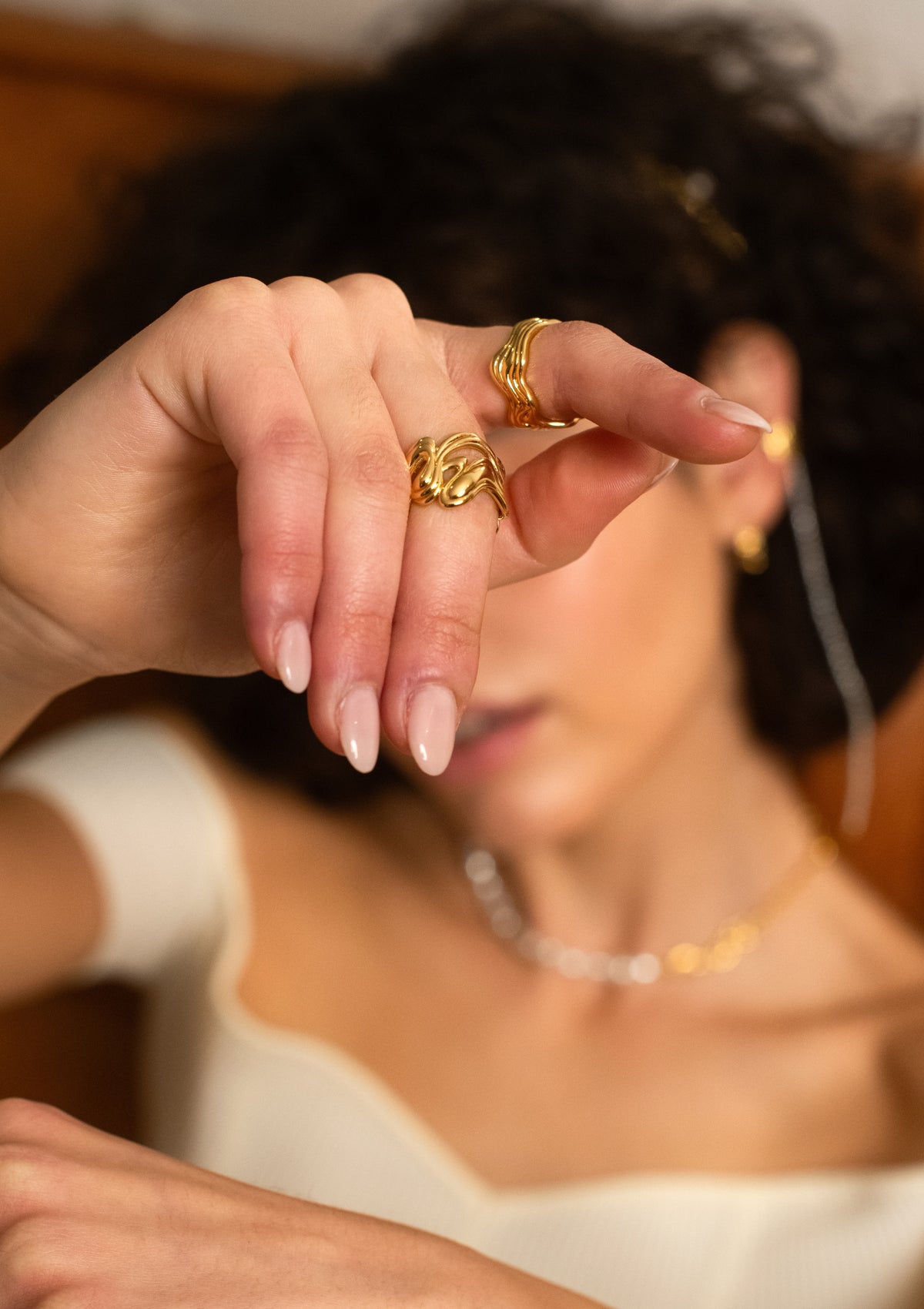
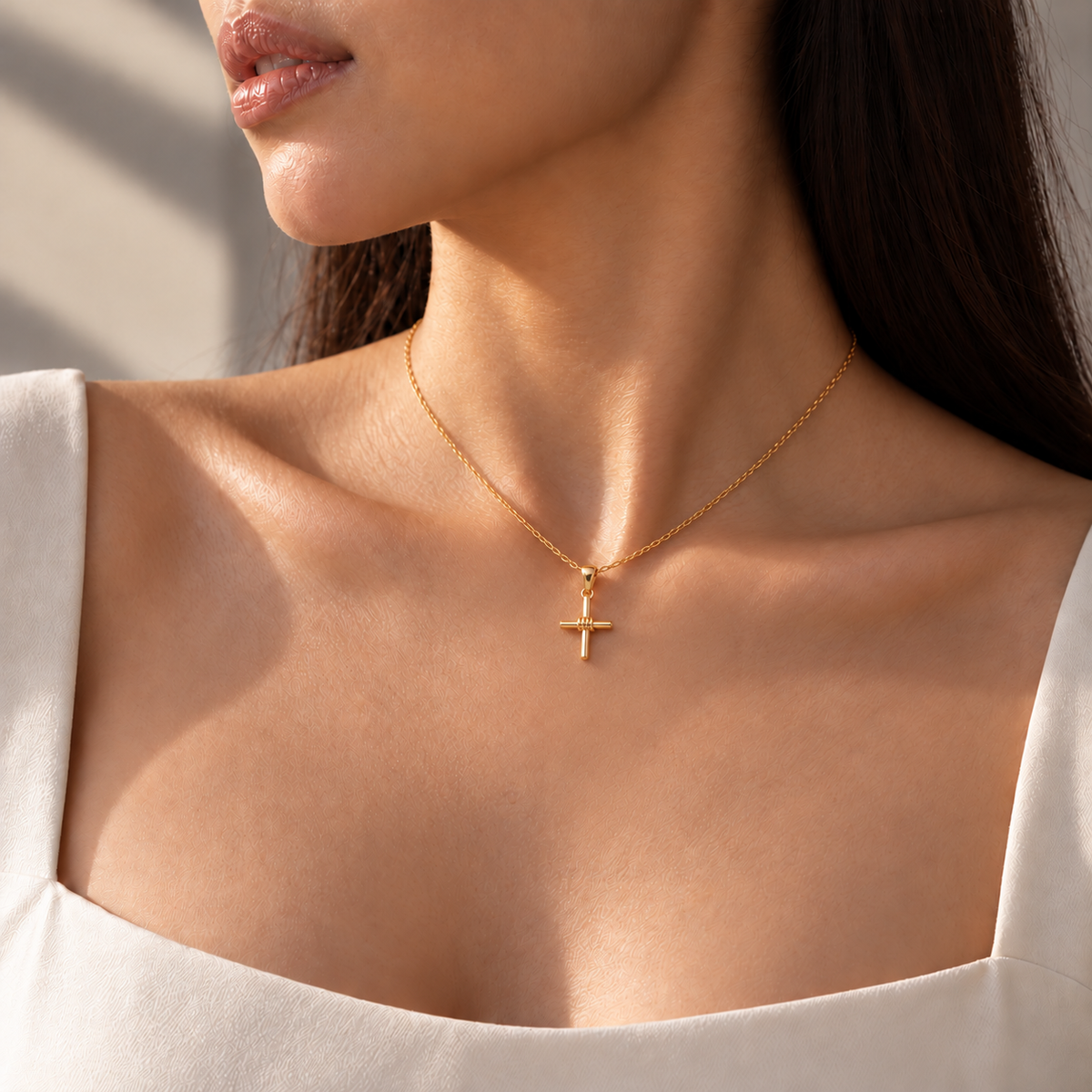
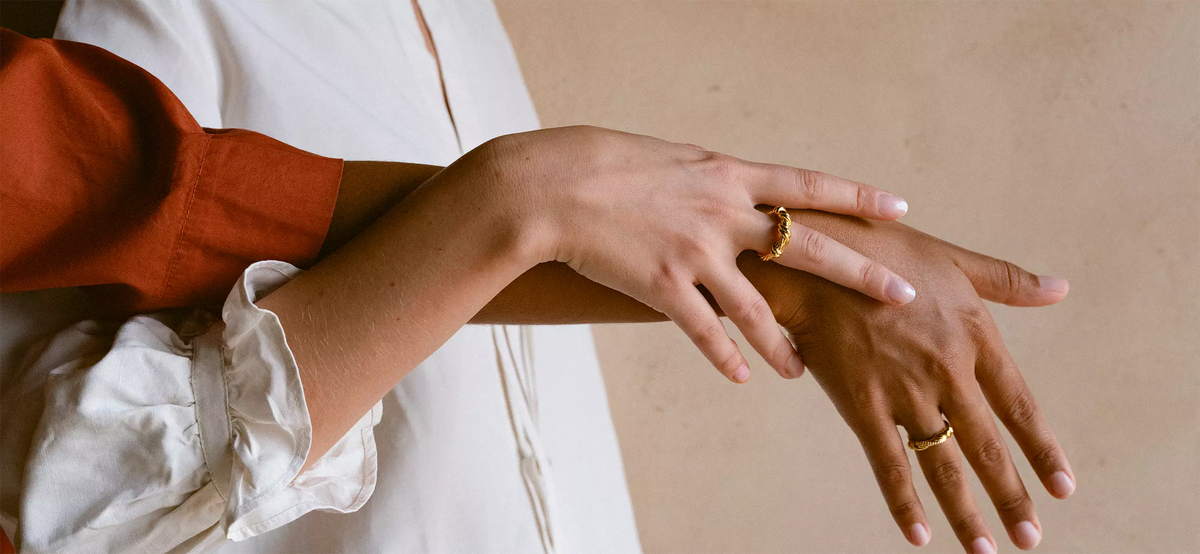
Sustainable jewelry aims to cut that impact and treat people fairly. In practice that means recycled metals, responsibly sourced or lab-grown stones, and transparent, fair production. At Frida & Florence our pieces are made from 100% recycled gold, sterling silver and brass, in our own RJC-certified production facility. You can see the approach across our Wave Collection.
Comparing the Environmental Impact
Mining and Sourcing
Traditional jewelry relies on new mining. Recycled metal reuses gold and silver that already exists, so it avoids opening new mines.
Materials
Traditional pieces use newly mined metals and stones. Sustainable pieces use recycled metals and stones with a known origin, including lab-grown gems.
Production Process
Mining and refining use a lot of energy and produce greenhouse gases. Working with recycled metal skips the mining step, and a factory you own and certify gives you control over the rest. Our Inner Spark Wave Ring shows the approach: recycled silver plated in 18K recycled gold.

End of Life
Poorly made jewelry gets thrown away. Well-made pieces last for years, and metal can be melted and reused again, which keeps it in circulation.
How to Buy Ethical Jewelry: A 6-Point Checklist
"Eco-friendly" is easy to print on a tag. Use these six checks to tell real practice from marketing.
- Ask what the metal is made from. "Recycled gold" should come with a percentage or a plain statement such as "100% recycled". Vague wording like "responsibly sourced metals" tells you little.
- Look for named certifications. The Responsible Jewellery Council (RJC) certifies responsible business practices across the supply chain. Fairmined and Fairtrade Gold cover mined gold from audited small-scale mines. The Kimberley Process only covers conflict diamonds, not labor or environmental standards.
- Know where the stones come from. Lab-grown stones avoid mining, though their energy use depends on how they are made. Mined stones should come with a clear origin. If a brand cannot say, ask.
- Check who makes it and where. Ethical brands tell you where pieces are made and who makes them. A brand that owns or audits its factory can show you more than one that buys from an unnamed supplier.
- Buy for the long run. A piece worn for ten years has a lower impact than three worn for one. Ask about metal, plating thickness, repairs and resizing, and choose a design you will not tire of.
- Watch for red flags. Be wary of "green" or "eco" labels with no detail, no information on where something is made, and constant new drops that push you to buy more.
Key Elements of Sustainable Jewelry
Lab-Grown Diamonds
Lab-grown diamonds are an alternative to mined diamonds. They avoid the land disruption of mining. Their energy use depends on the power source, so it is fair to ask a brand how its stones are made.
Recycled Metals
Recycled gold, silver and brass reduce the need for new mining and can be recycled again.
Responsible Sourcing
Responsible sourcing means knowing where materials come from and treating the people who handle them fairly. It is the reason certifications and transparency matter.
Frequently Asked Questions
What makes jewelry ethical?
Ethical jewelry uses responsibly sourced or recycled materials, is made in fair working conditions, and is open about where it comes from.
Is recycled gold better than mined gold?
Recycled gold reuses metal that already exists, so it avoids new mining and its environmental damage. It is chemically the same gold.
Is ethical jewelry worth it?
If you want pieces made with less environmental harm and more transparency, yes. Look for named certifications and clear sourcing information so you know what you are paying for.
Sustainable fine jewelry is a beautiful alternative to traditional options. Choosing it reduces your footprint and supports fair labor, and the checklist above will help you spot the brands that mean it.
Shop the Edit
 Heart of Unity Wave Diamond Necklace
 Infinite Harmony Wave Diamond Earrings
 Interwoven Souls Diamond Stacking Rings


Leave a comment
This site is protected by hCaptcha and the hCaptcha Privacy Policy and Terms of Service apply.