




Lab-Grown Diamond or Cubic Zirconia? How to Choose
Lab-grown diamonds and cubic zirconia can look alike across a room, but they are different materials. A lab-grown diamond is a real diamond, grown from carbon, and it stays bright and hard-wearing for life. Cubic zirconia is a diamond simulant: beautiful and affordable, but softer, and it can lose a little polish over years of daily wear. Choose a lab-grown diamond for pieces you will wear every day for years, and cubic zirconia for trend pieces, stacking and gifts on a budget.
Lab-Grown Diamond vs Cubic Zirconia at a Glance
| Lab-grown diamond | Cubic zirconia | |
|---|---|---|
| What it is | Real diamond: pure carbon, grown in a lab | A man-made crystal of zirconium dioxide |
| Hardness (Mohs) | 10, the hardest natural material | 8 to 8.5, harder than most gems but softer than diamond |
| Sparkle | Bright white brilliance | More coloured "fire", which some find slightly less natural |
| Over time | Stays clear and sharp for a lifetime | Can pick up fine scratches and lose some polish after years of daily wear |
| Price | Higher, but well below mined diamond | Much lower, so the metal makes up more of the price |
| Best for | Engagement, milestones and pieces you wear every day for years | Trend pieces, stacking, ear cuffs and gifts on a budget |
What Is a Lab-Grown Diamond?
A lab-grown diamond is a diamond. It has the same carbon structure, hardness and brilliance as a mined diamond; the only difference is where it formed. Because no mining is involved, it avoids the land disruption that comes with extraction. Read more in How Lab-Grown Diamonds Are Changing Jewelry.
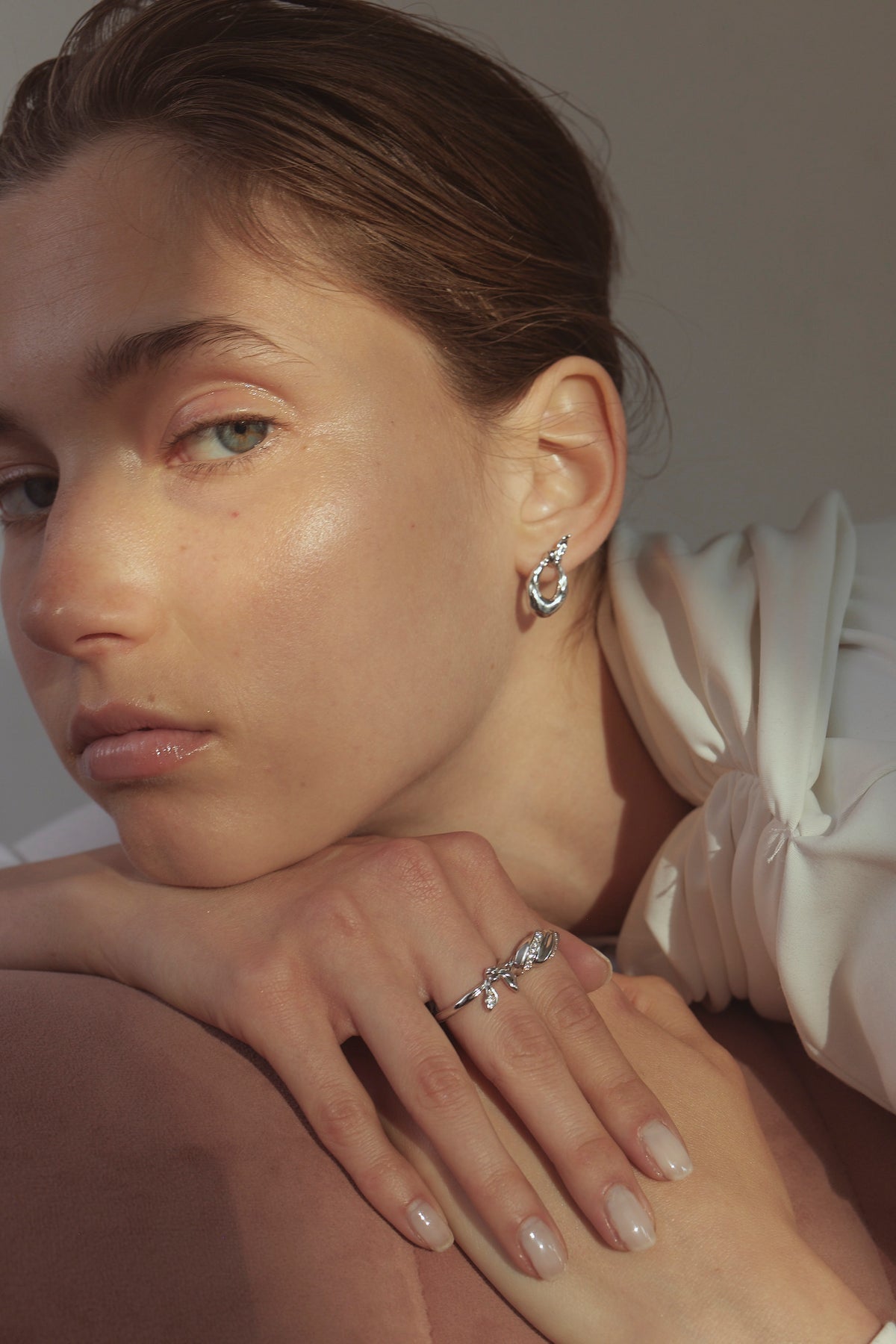
Our lab-grown diamonds are set in 18K recycled gold vermeil or rhodium-plated recycled silver, across the Wave and Inweave collections.


What Is Cubic Zirconia?
Cubic zirconia, often shortened to CZ, is a crystal made from zirconium dioxide. It is not a diamond and should never be sold as one, but it is a gem in its own right: clear, bright and far more affordable. It lets designers use more stones, in more playful settings, at a lower price.
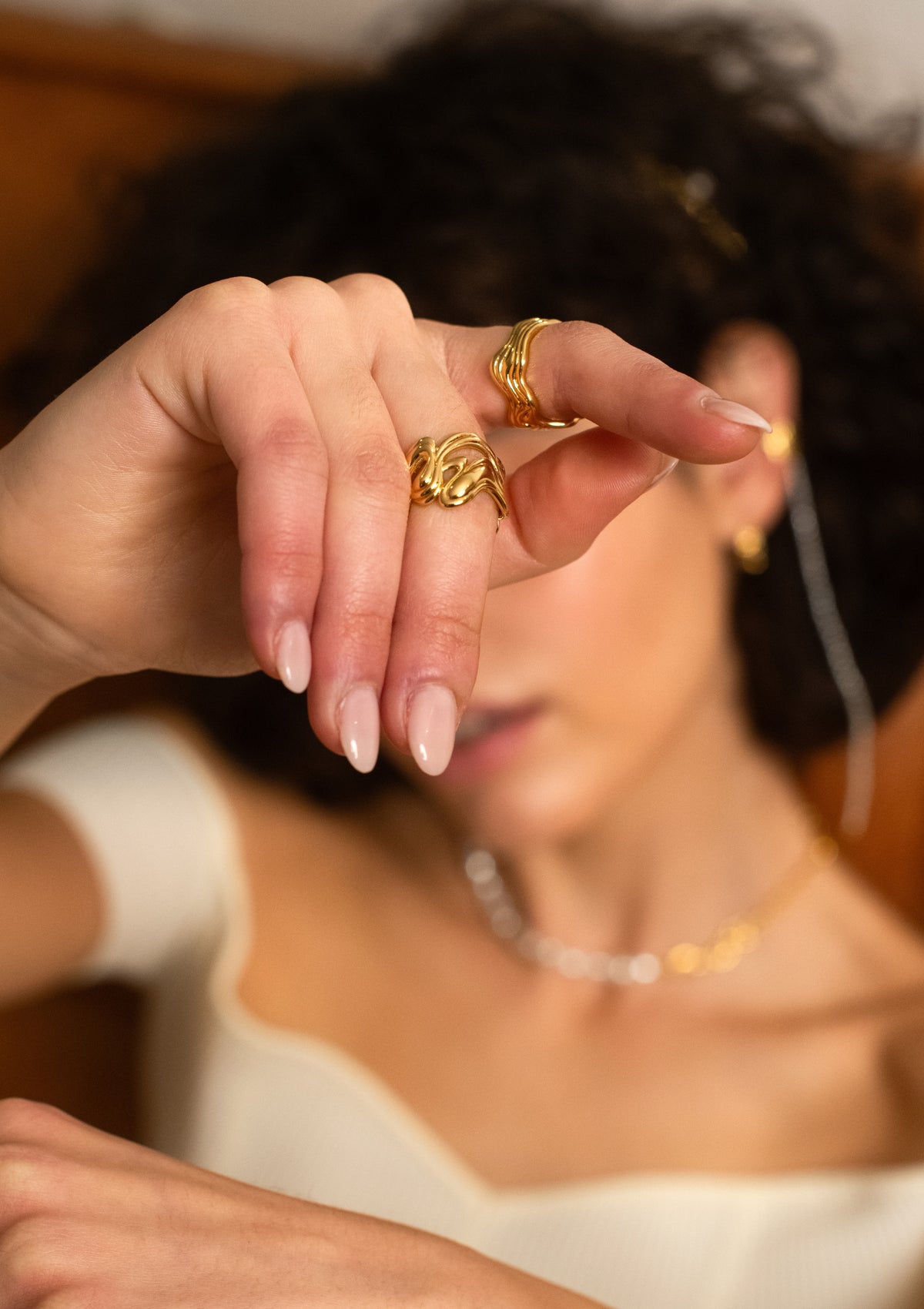
At Frida & Florence, our cubic zirconia is set in a range of recycled metals: 18K recycled gold vermeil on recycled sterling silver, recycled brass in some collections, and 14K solid gold in our single studs and hoops.
 Ada Dainty Zirconia RingFrom £90
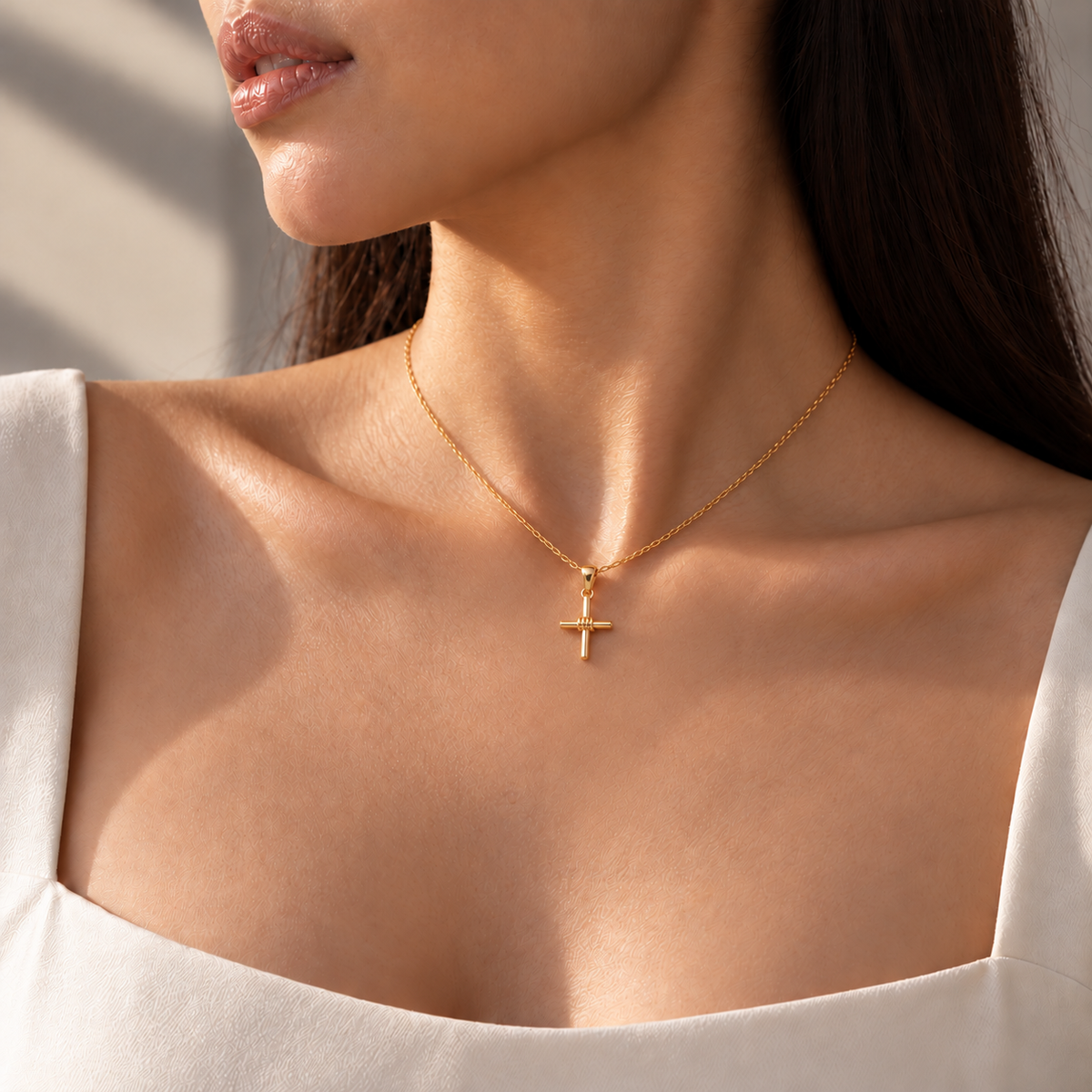
 Emma White Zirconia Pendant NecklaceFrom £120
 14K Solid Gold Graceful Goddess Single StudFrom £100
How to Tell Them Apart
Sparkle
Both are bright, but they sparkle differently. Diamond returns more white light (brilliance). Cubic zirconia splits light into more colour (fire), so in sunlight it can flash rainbow tones that look a little more vivid than a diamond.
Durability
Diamond scores 10 on the Mohs hardness scale and cubic zirconia scores around 8 to 8.5. In practice, a diamond keeps its crisp edges for life, while cubic zirconia can show tiny scratches and lose some shine after years of daily wear, especially in rings.
Weight
Cubic zirconia is denser than diamond, so a CZ stone of the same size weighs noticeably more. You will not feel this in small stones, but a jeweller can use it as a test.
Certification
Larger lab-grown diamonds can be graded by independent labs. Cubic zirconia is not graded, because it is a simulant rather than a diamond.
Which Should You Choose?
- For an engagement ring or a milestone gift: a lab-grown diamond. It is a real diamond and will look the same in twenty years.
- For a ring you will wear every day: a lab-grown diamond, because rings take the most knocks.
- For earrings, ear cuffs and necklaces: either works well. These pieces take less wear, so cubic zirconia holds up nicely.
- For stacking and trying a trend: cubic zirconia lets you build a look for less.
- For the most value from the metal: cubic zirconia set in 14K solid gold puts more of the price into gold that lasts.
 Connection Wave Diamond RingFrom £110
 Dreamscape Zirconia RingFrom £48
 Mara Twist Zirconia BangleFrom £130
Caring for Both
Clean both with warm water, a drop of mild soap and a soft brush, then dry with a soft cloth. Store pieces separately so harder stones do not scratch softer ones, and take rings off for the gym, cleaning and swimming. Our jewelry care guide has the details.
Frequently Asked Questions
Is a lab-grown diamond a real diamond?
Yes. A lab-grown diamond has the same chemical make-up, hardness and brilliance as a mined diamond. It is grown in a laboratory rather than formed underground.
Is cubic zirconia a fake diamond?
Cubic zirconia is a diamond simulant: a different material that looks similar. It is a genuine gem material in its own right, but it is not a diamond.
Does cubic zirconia go cloudy?
Cubic zirconia itself does not change colour, but surface scratches and everyday residue can make it look duller over time. Regular cleaning keeps it bright.
Can you tell the difference by eye?
Usually not from a distance. Up close, cubic zirconia tends to show more rainbow fire, and a jeweller can tell them apart with a diamond tester.
How do I know which stone a Frida & Florence piece uses?
Every product page lists the material and stone. Our diamond pieces say “lab-grown diamond”, and our cubic zirconia pieces say “cubic zirconia” or “white zirconia”.
There is no wrong choice, only the right stone for how you will wear it. Choose a lab-grown diamond for the pieces you want to keep for life, and cubic zirconia when you want to play, stack and try something new.


Leave a comment
This site is protected by hCaptcha and the hCaptcha Privacy Policy and Terms of Service apply.